
PCM — the Process Communication Model® — describes 6 personality types and how each one perceives the world, communicates, is motivated and behaves under stress. The key difference from other typologies is that PCM works in real time: you observe a person's behaviour and can adapt your communication without a questionnaire.
You behave differently under pressure — and regret it afterwards
Motivation drops — and it is unclear where to find energy
You speak clearly — and are understood differently
The same conflicts repeat — even though everyone is a professional
PCM gives you a shared language and an entry point into any conversation — how to switch to the other person's channel and stop stress escalating into conflict.
Where fatigue comes from, how stress works specifically for you and what you need to recover. Profiling is done once — the instrument stays with you for life.
The PCM team report reveals why the same conflicts keep repeating — and gives a shared language for resolving them. The stress patterns of the whole group and their motivational differences become visible.
An instrument for team training, working with motivation and development programmes. PCM is applied in live interaction — no additional questionnaires. One profile works for life.
Understand your management style and learn to switch between channels for different people. Stop demanding from others what comes naturally to you — and stop being surprised when it does not work.
Process Communication Model® (PCM) describes personality as a six-storey condominium: every person contains all six types — but in different proportions, forming one of 720 unique combinations. The Base type is set in childhood and does not change. The current Phase shows your present psychological needs.
Perceives the world through thoughts and facts. Values structure, data and clarity. Channel — requestive. Under stress: over-control, excessive explaining, inability to delegate.
Perceives the world through feelings and relationships. Creates warmth and support. Channel — nurturative. Under stress: mistakes, self-criticism, seeking approval, self-sacrifice.
Perceives the world through action. Decides quickly, adapts in uncertainty. Channel — directive. Under stress: manipulation, ignoring agreements, provocation.
Perceives the world through convictions and values. Dependable, keeps their word. Channel — requestive. Under stress: criticising others, imposing their own truth, suspicion.
Perceives the world through reactions — like / dislike. Lives in the present, thinks in emotions. Channel — emotive. Under stress: negative drama, blame, ignoring rules.
Perceives the world through imagination. Introspective, needs clear instructions or a prompt. Channel — directive. Under stress: passivity, withdrawal, waiting without acting.
Click a card to see a full description, which objectives it suits and what the report includes. All formats include a mandatory debrief with a certified PCM trainer — a requirement of Kahler Communications, Inc.
All formats include the official PCM questionnaire (Personality Pattern Inventory) and a debrief with a certified PCM trainer. This is a requirement of Kahler Communications, Inc., the rights holder of the Process Communication Model. For corporate projects (5+ participants) — request a proposal.
If you are an HR director or an executive who needs to get a purchase approved, we will prepare a proposal detailing the objective, instruments, timeline and cost.
Fill this in and we will prepare it within one business day
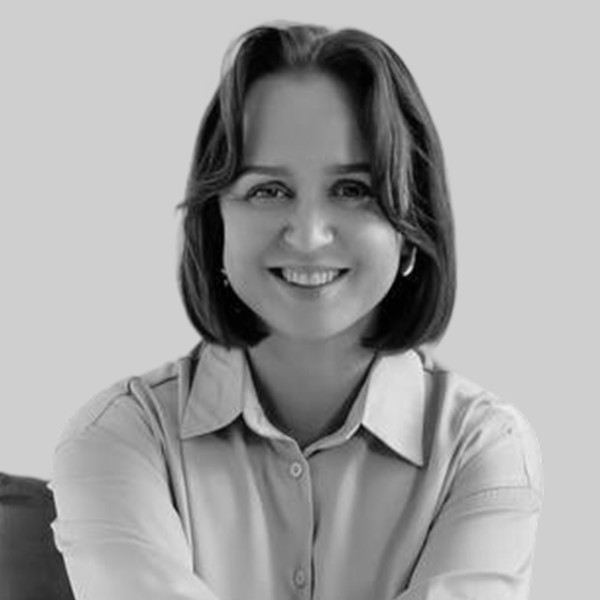
Certified PCM trainer. Expert in communication skills, organisational development and team building. Director of the DobroSvet charitable foundation, speaker at conferences and forums.
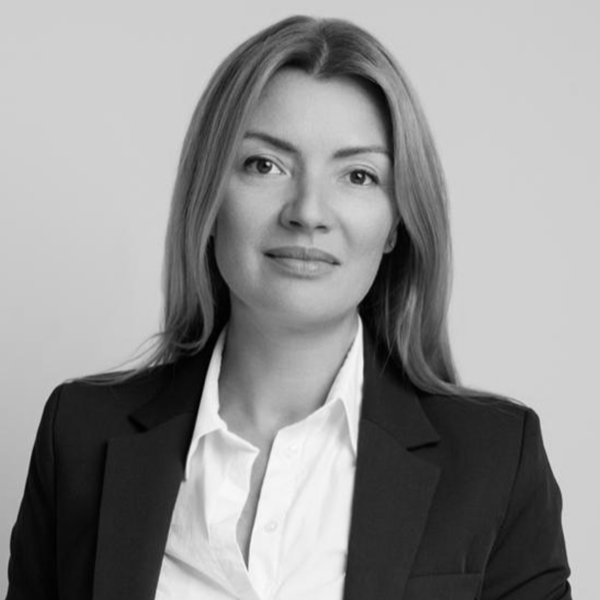
Managing partner at Psychometric, lecturer. Works with executives and teams at the intersection of psychometrics, communication and organisational development.
The Process Communication Model® works well alongside other instruments — each adds something the others do not have.
PCM describes psychological needs through personality type and phase. The Reiss Motivation Profile (RMP) uncovers 16 basic motives — why a person does what they do. Together they give an exhaustive picture of motivation.
Learn about RMP →PCM shows a leader's operational patterns in the present. Harthill LDP measures the level of vertical development — the depth of reflection and complexity of thinking. Together you see not only how a person behaves but how ready they are for the next level.
Learn about LDP →Hogan shows what happens to a leader under pressure. PCM explains why — through personality type and motivation. Together they form a complete operating map of an executive.
Learn about Hogan →PCM was developed as a clinical instrument — first for psychotherapy within transactional analysis, then for business and education. Unlike typologies such as MBTI, PCM describes not a static «type» but the dynamic structure of personality and predictable behaviour patterns under stress. The key difference is that the model works in real time, without questionnaires.
The model was created by Dr Taibi Kahler, a clinical psychologist. PCM was created in 1972. Kahler is a recipient of the Eric Berne Memorial Award in transactional analysis.
Describe your objective. We will study it and suggest 2–3 instruments with an estimate of cost. There is no obligation.
Describe your objective in your own words